Rudin Residence
Montclair — Rudin Residence
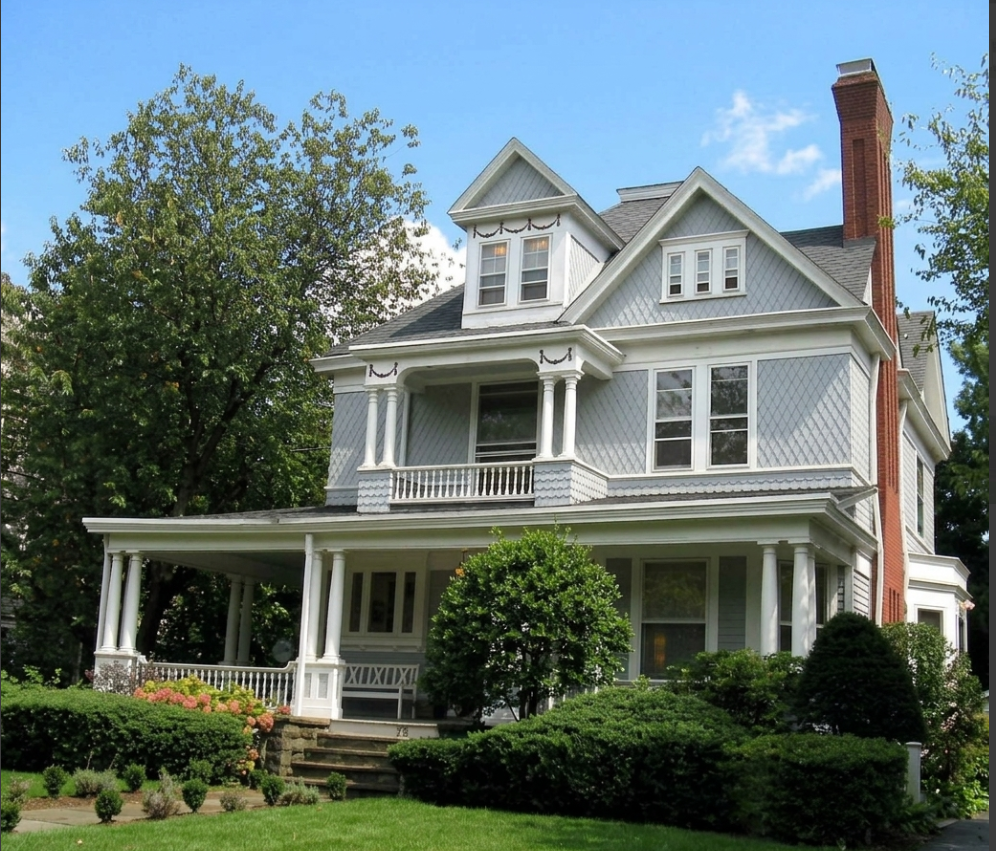
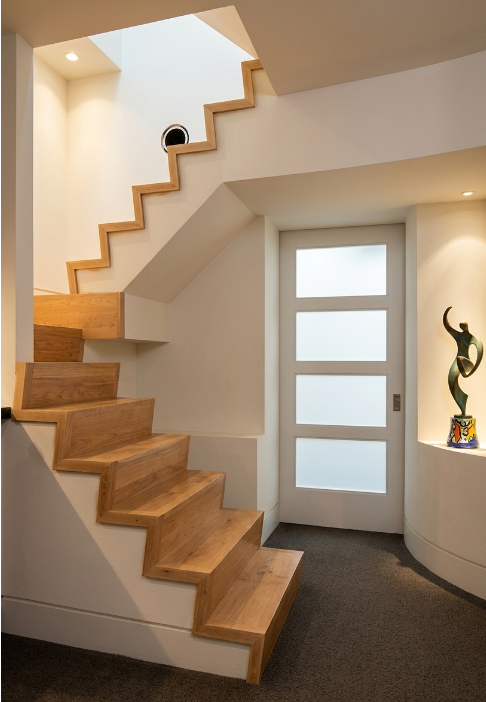
Behind the traditional exterior of a Victorian home in Montclair, the Rudin Residence pursued an unexpectedly radical architectural idea: to place the most contemporary expression of the house not above ground, but below it. While the upper floors retained the familiar character of the historic residence, the project transformed the cellar into a new hidden world of light, proportion, and modern spatial experience. It was an inversion of expectation—where the oldest part of the house became the setting for its most forward-looking architecture.
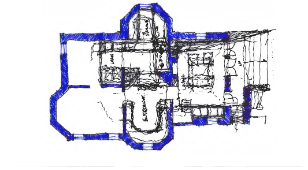
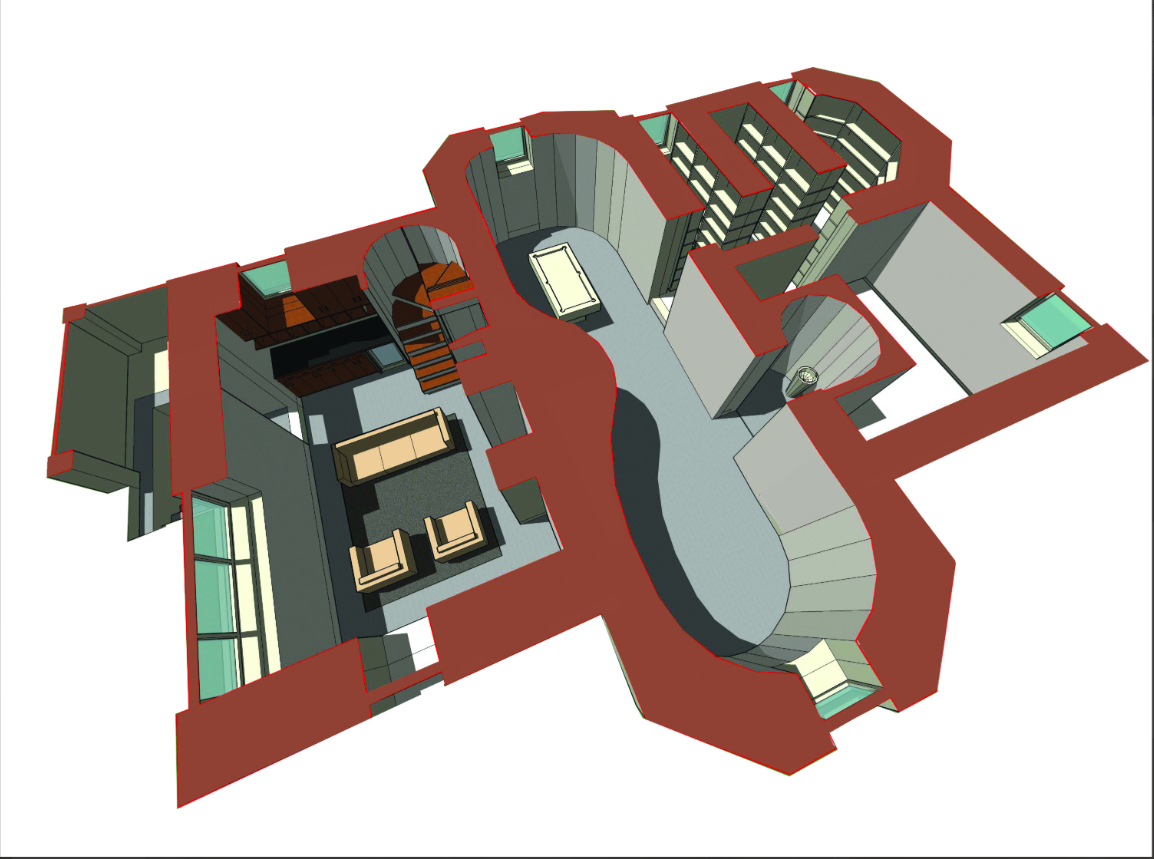
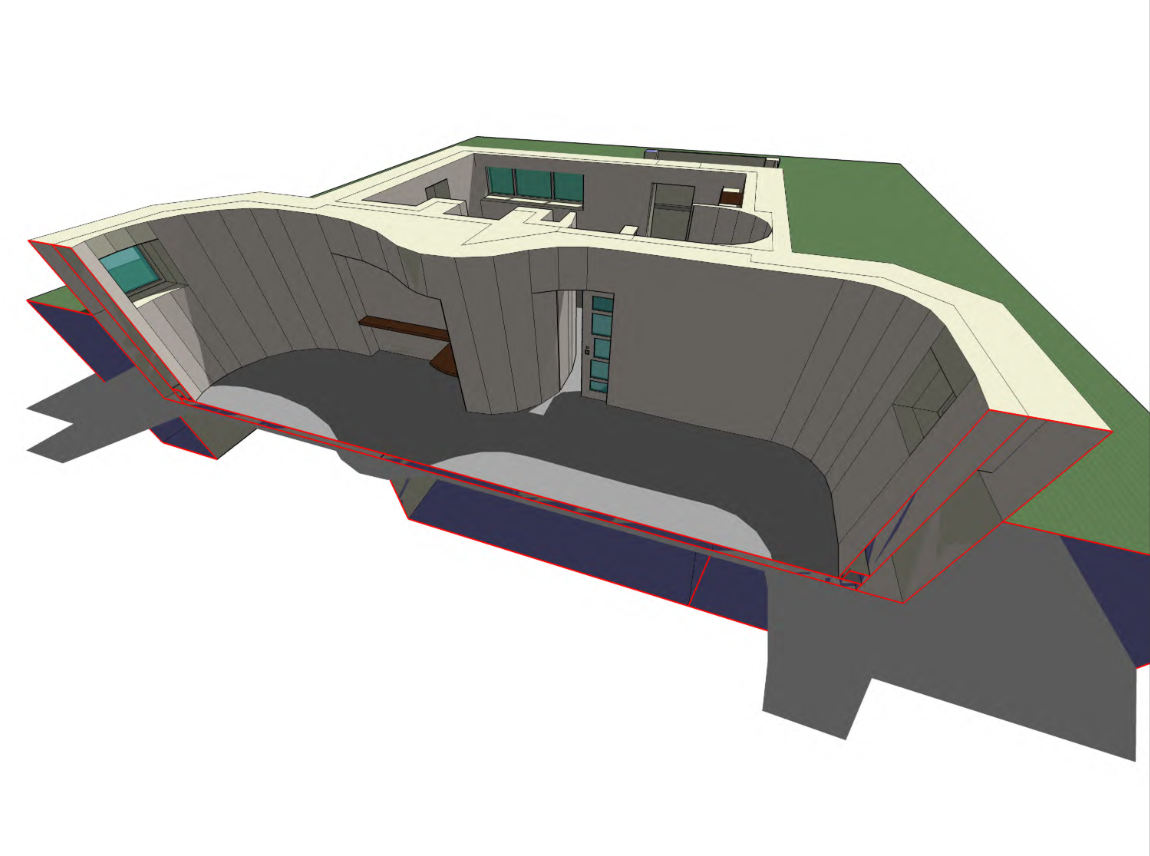
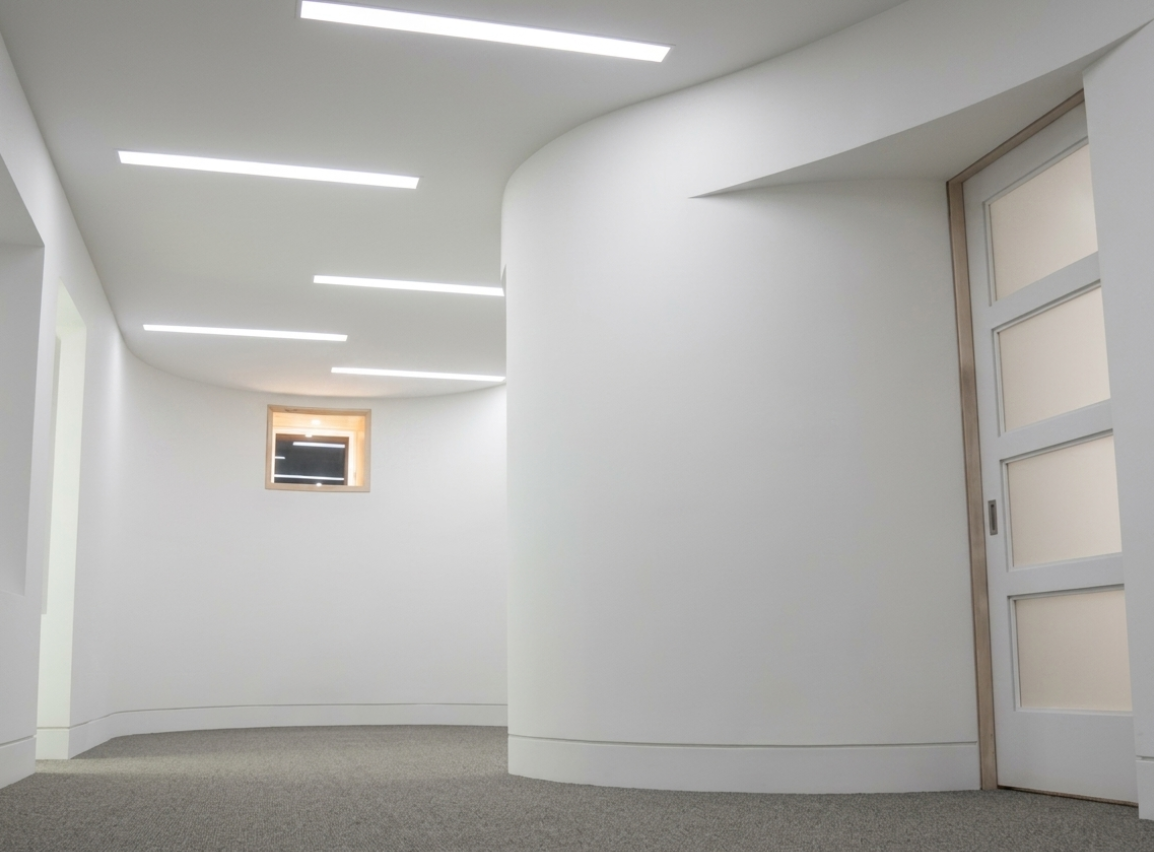
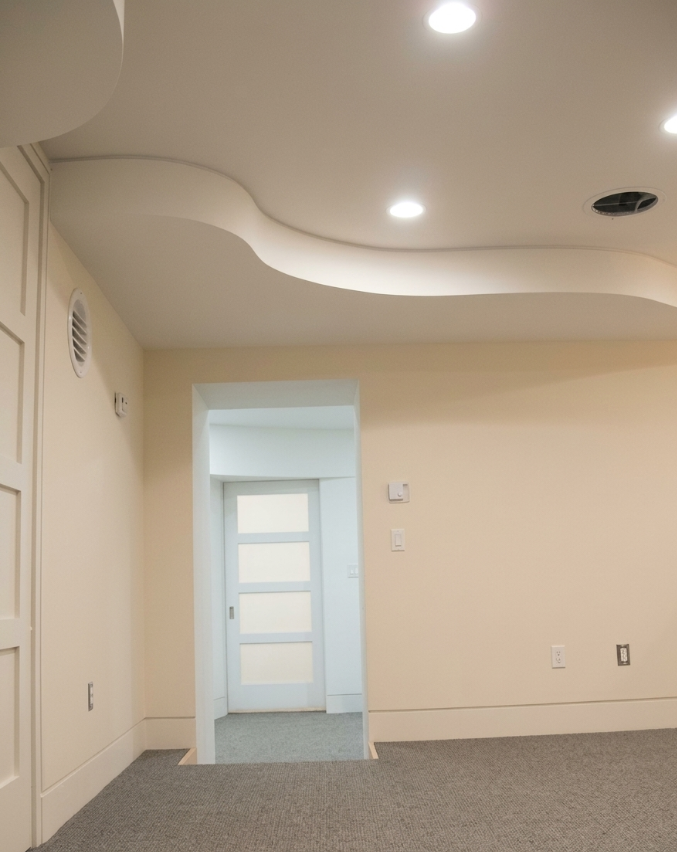
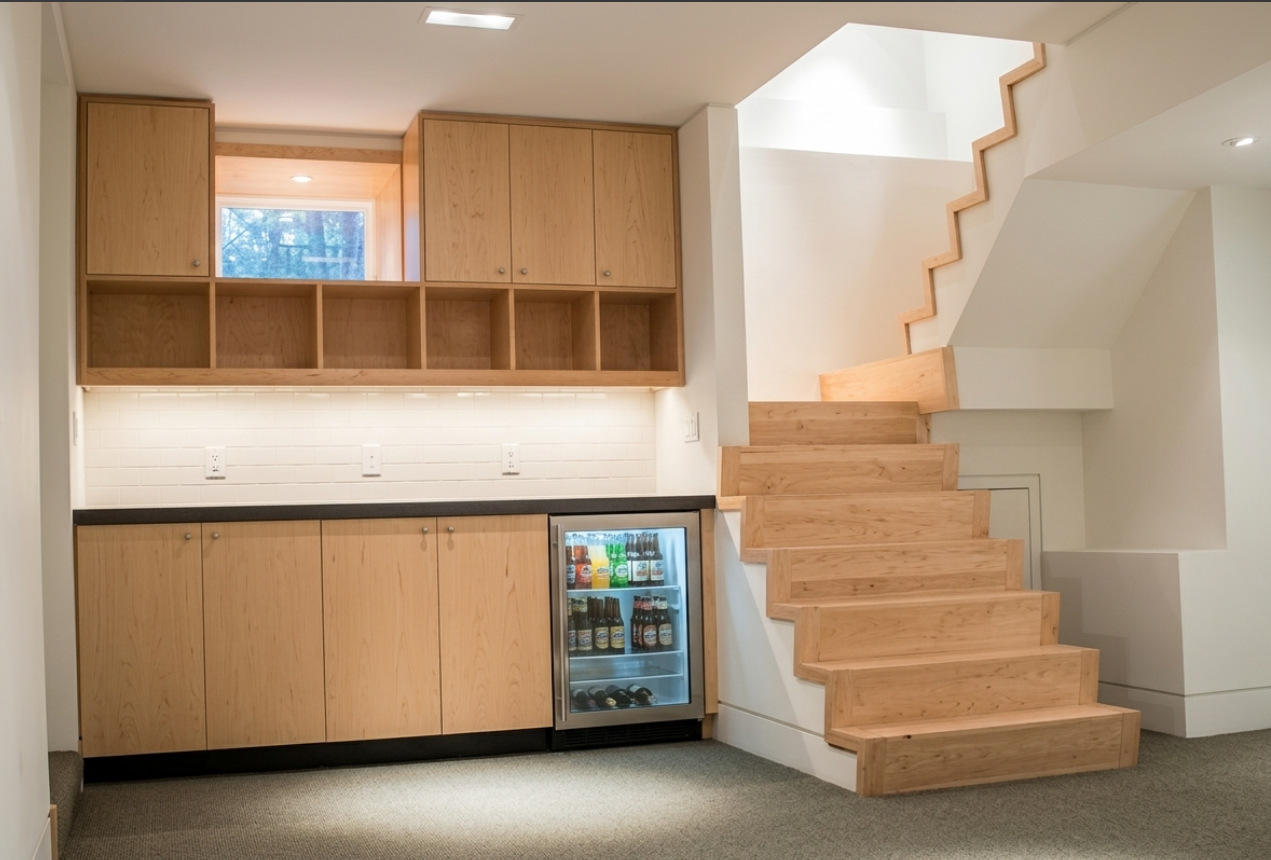
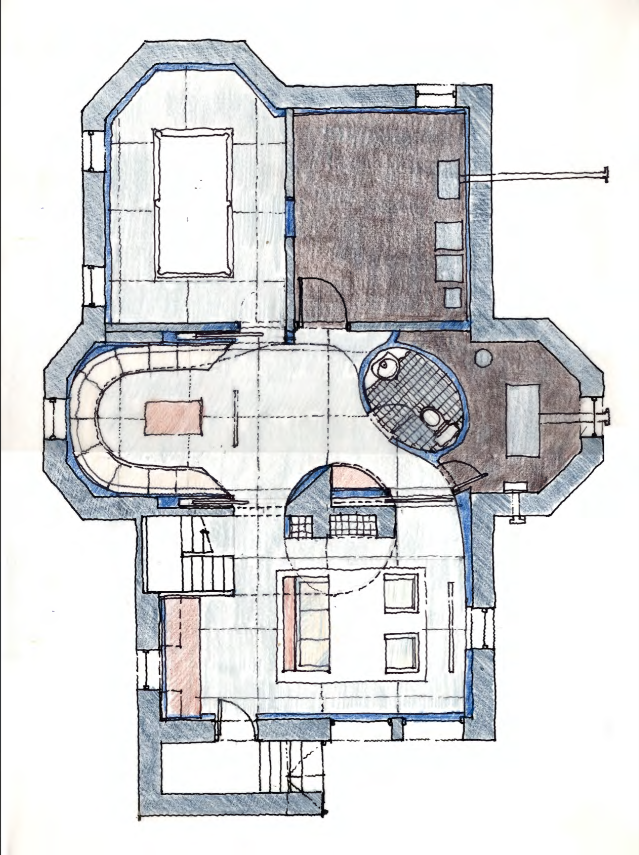
The intervention began by excavating the cellar approximately two feet deeper, creating the volume necessary for a fully inhabitable contemporary level. What emerged was not a basement in the conventional sense, but a refined living environment shaped by clarity and precision. Walls curved with a piano-like softness, circulation unfolded fluidly, and carefully aligned openings established long visual axes through the space. The classical discipline of grids organized windows, doors, and built-in elements so that each component related to the next with deliberate order. Light, geometry, and movement worked together to create a calm yet highly composed interior.
More than a renovation, the Rudin Residence became an homage to the modernist rigor of Charles Gwathmey, whose influence can be felt in its sculptural forms, measured proportions, and exacting geometries. This was architecture as discovery—largely invisible from the street and known only to those invited within. Concealed beneath a Victorian shell, the project revealed how bold contemporary design can coexist with historic fabric, producing one of the most surprising residential transformations in Montclair.