JFK T6
JFK Terminal 6
New York, NY
Corgan
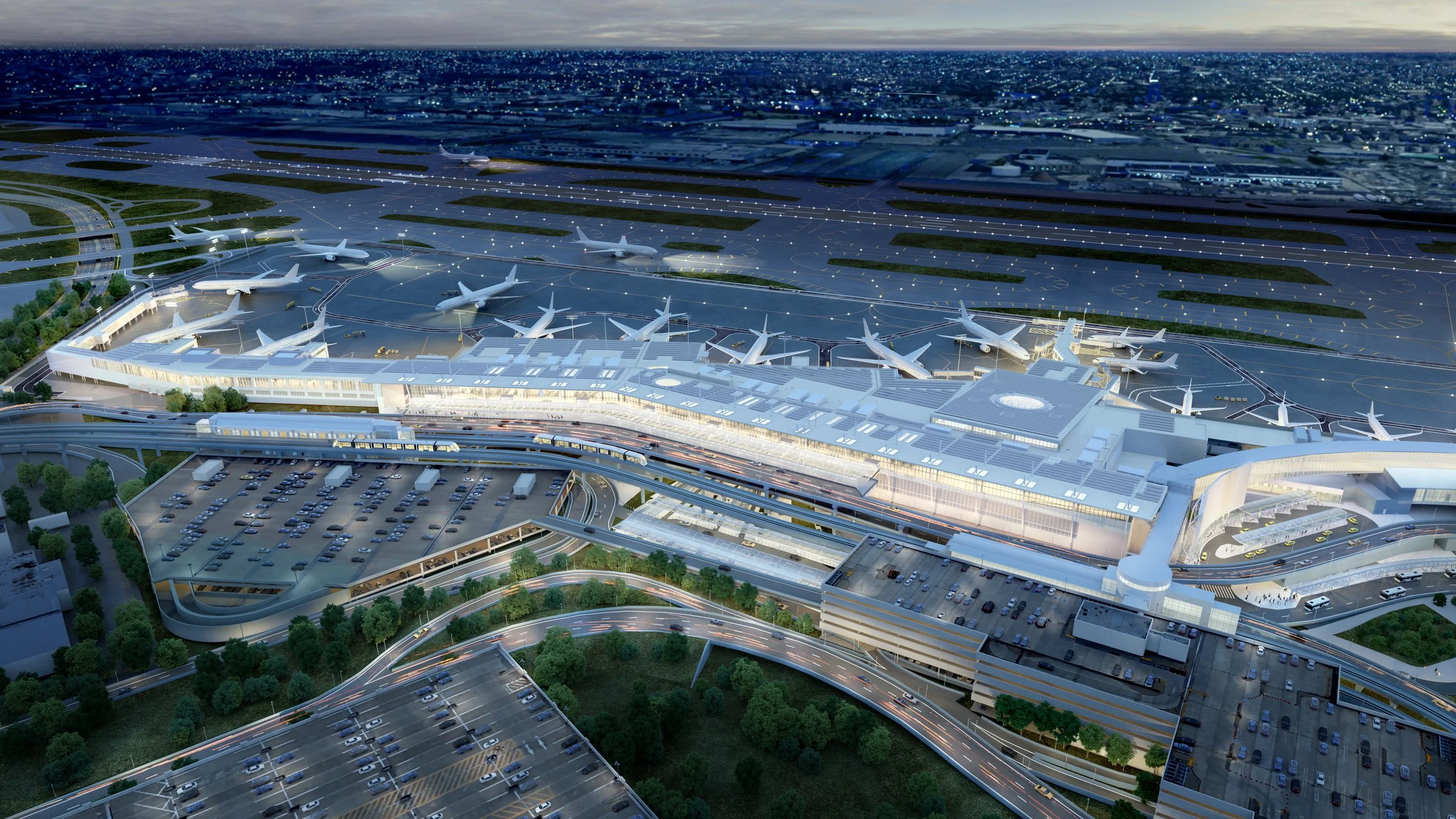
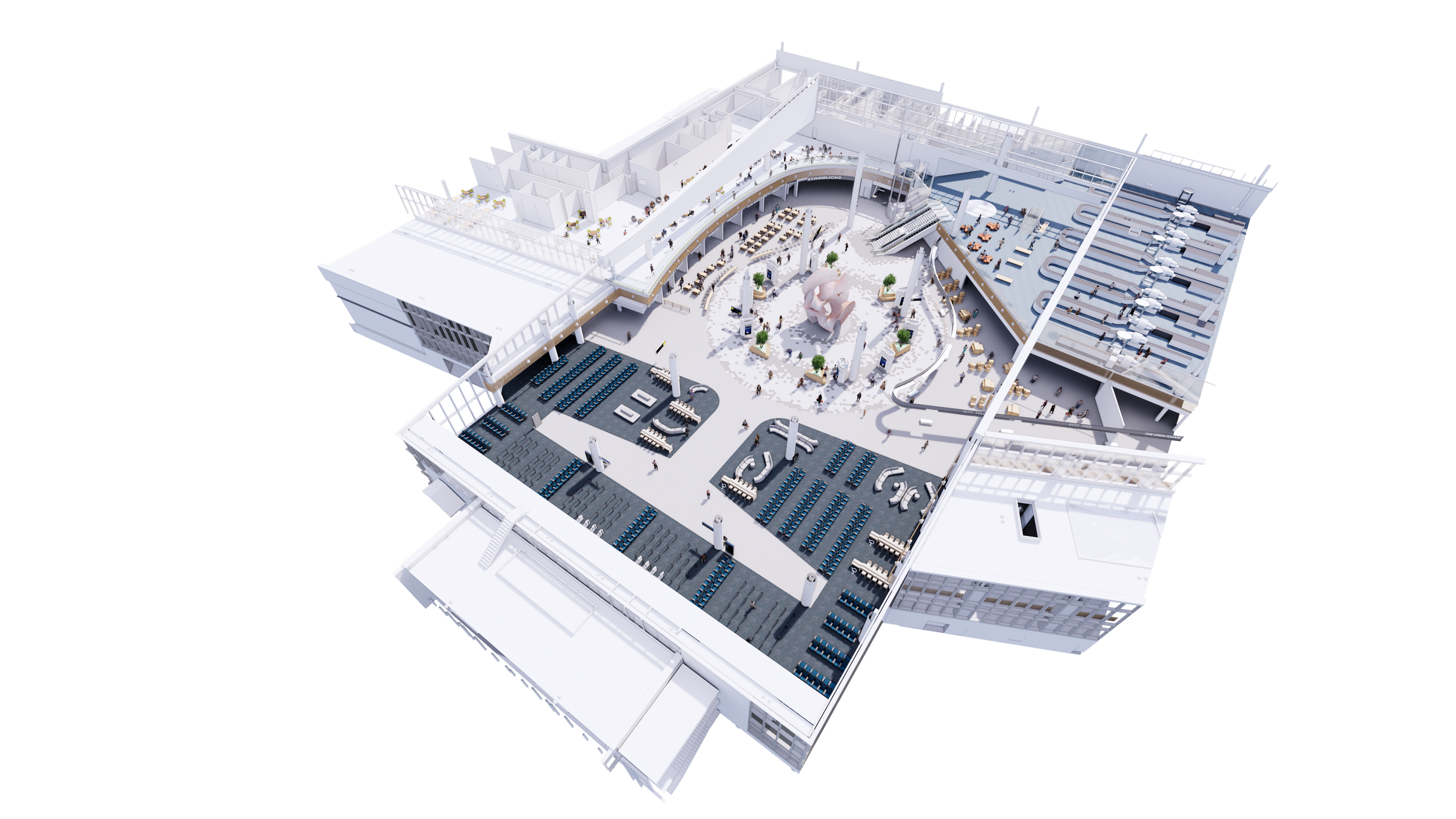
JFK Terminal 6 is conceived as a gateway shaped by movement—an architecture that unfolds not as a static object, but as a continuous, choreographed experience. Drawing from the rhythm and intensity of New York, the terminal transforms the act of travel into a sequence of spatial moments, where structure, light, and circulation are inseparable.
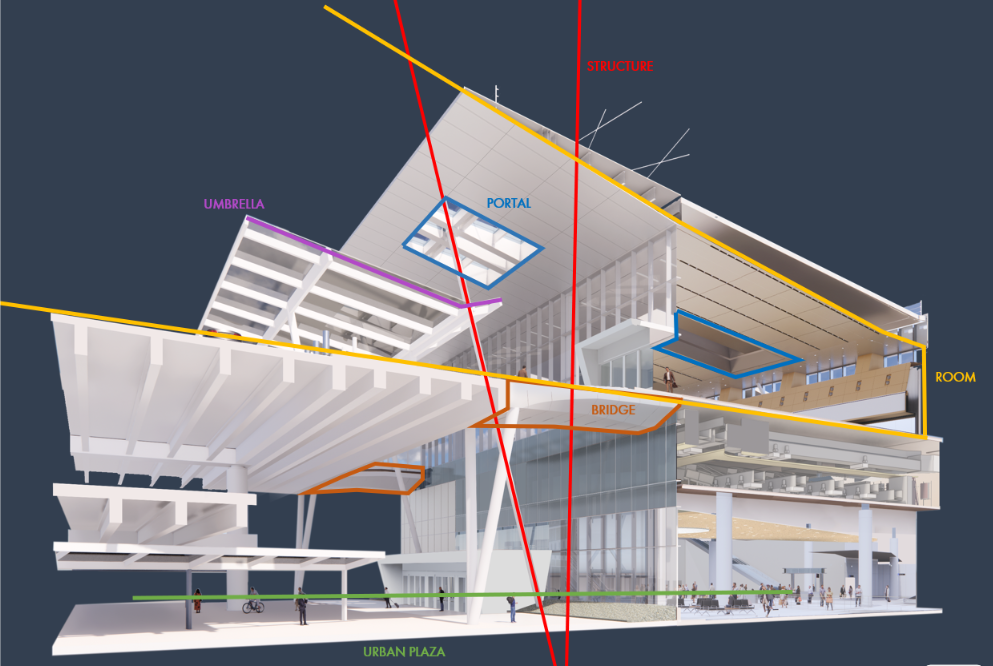
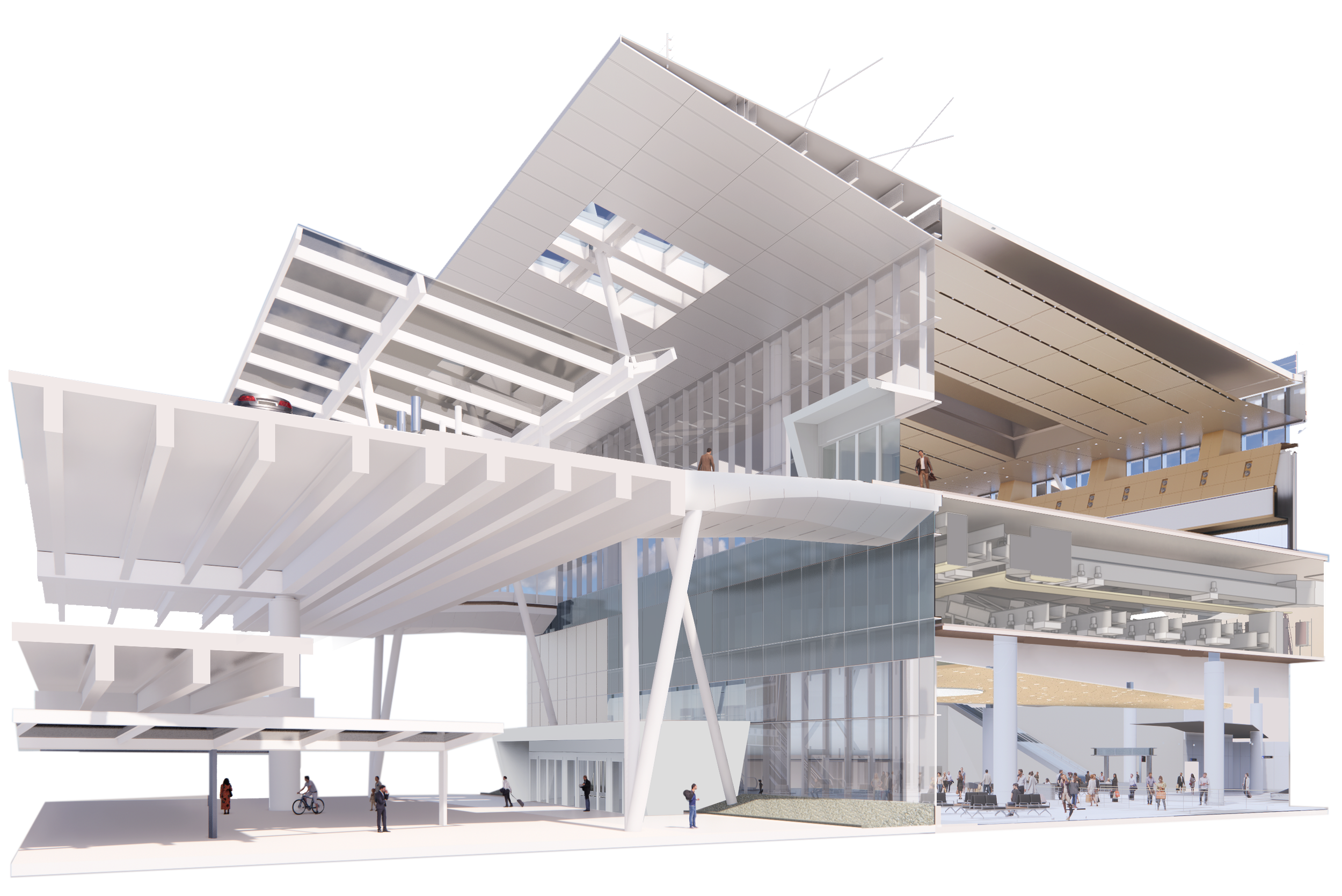
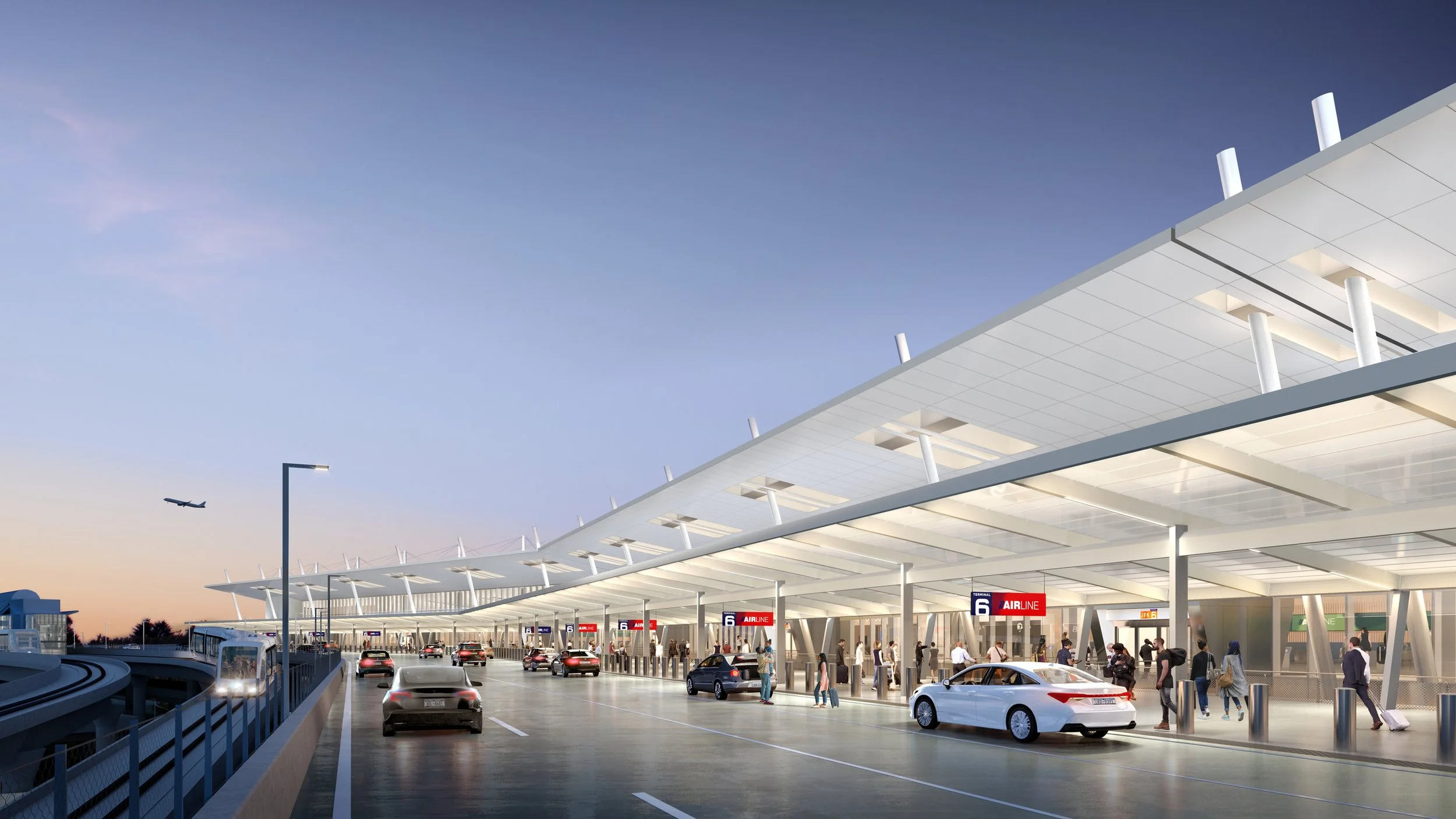
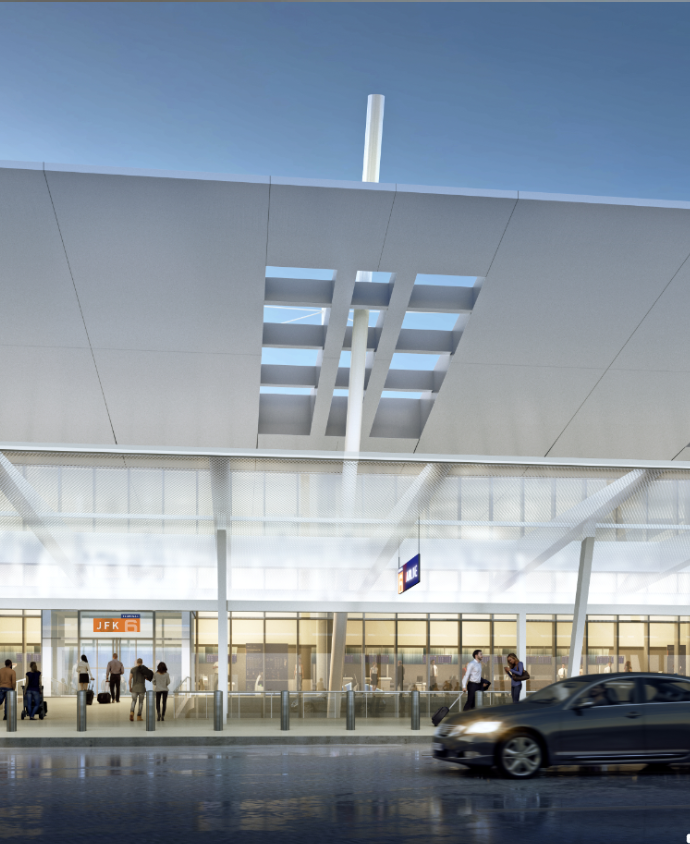
From the city edge, the terminal presents itself with clarity and openness. A series of light-filtering canopies—constructed of translucent materials—hover at the curb, capturing daylight and signaling entry. These elements are not applied features, but performative infrastructure: they provide shelter, guide orientation, and establish the first gesture in a larger spatial narrative. Movement begins here, intuitively, without reliance on signage—an architecture that leads by light and form.
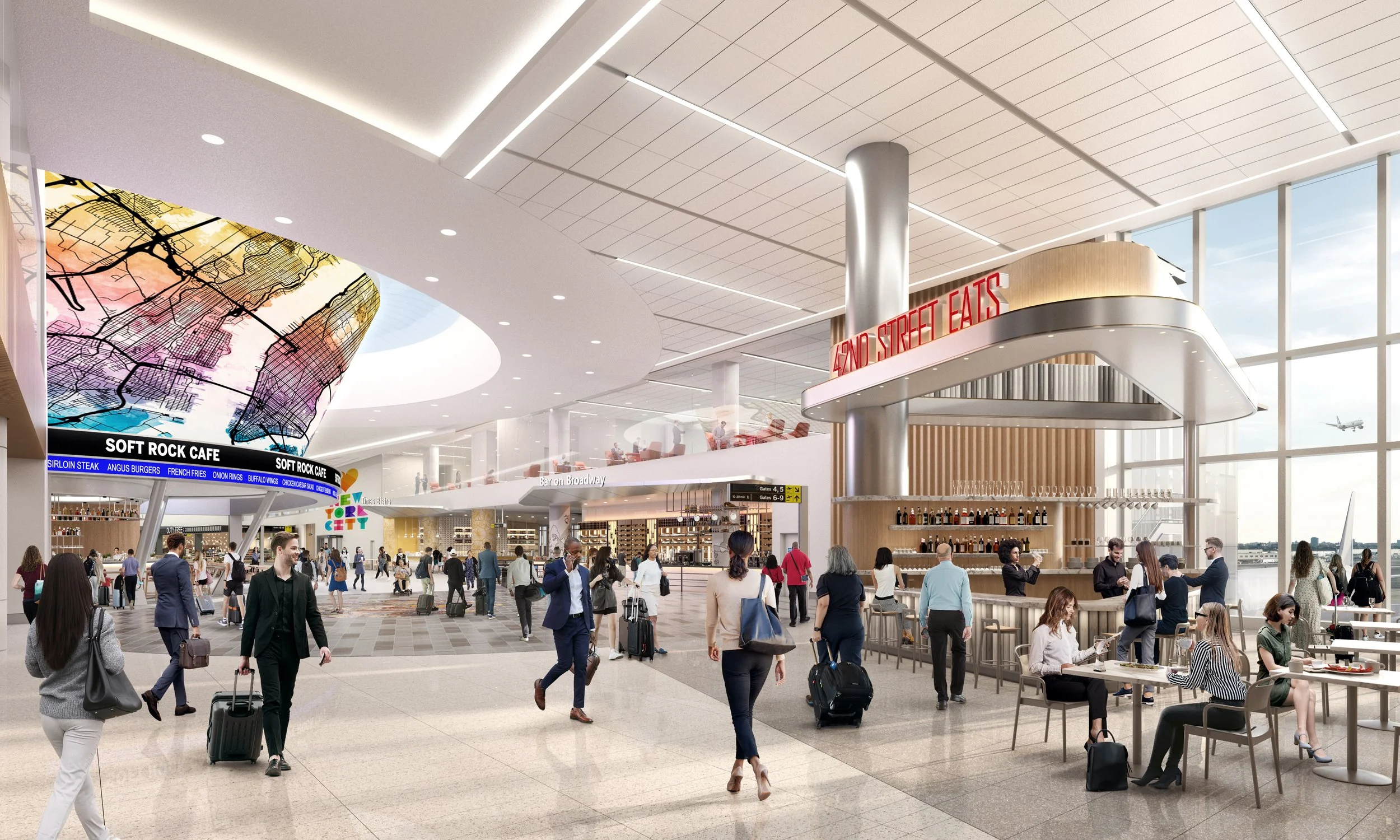
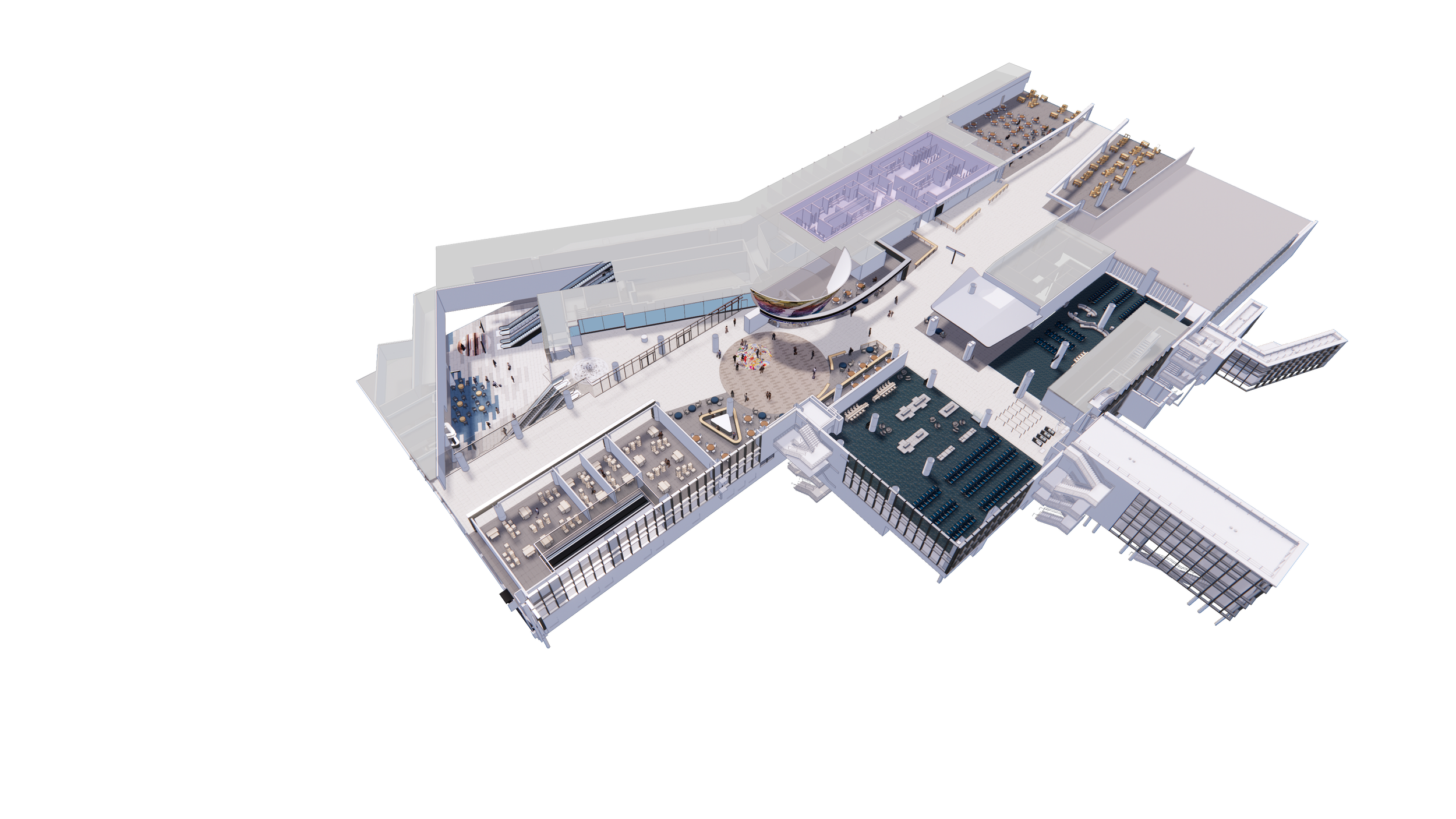
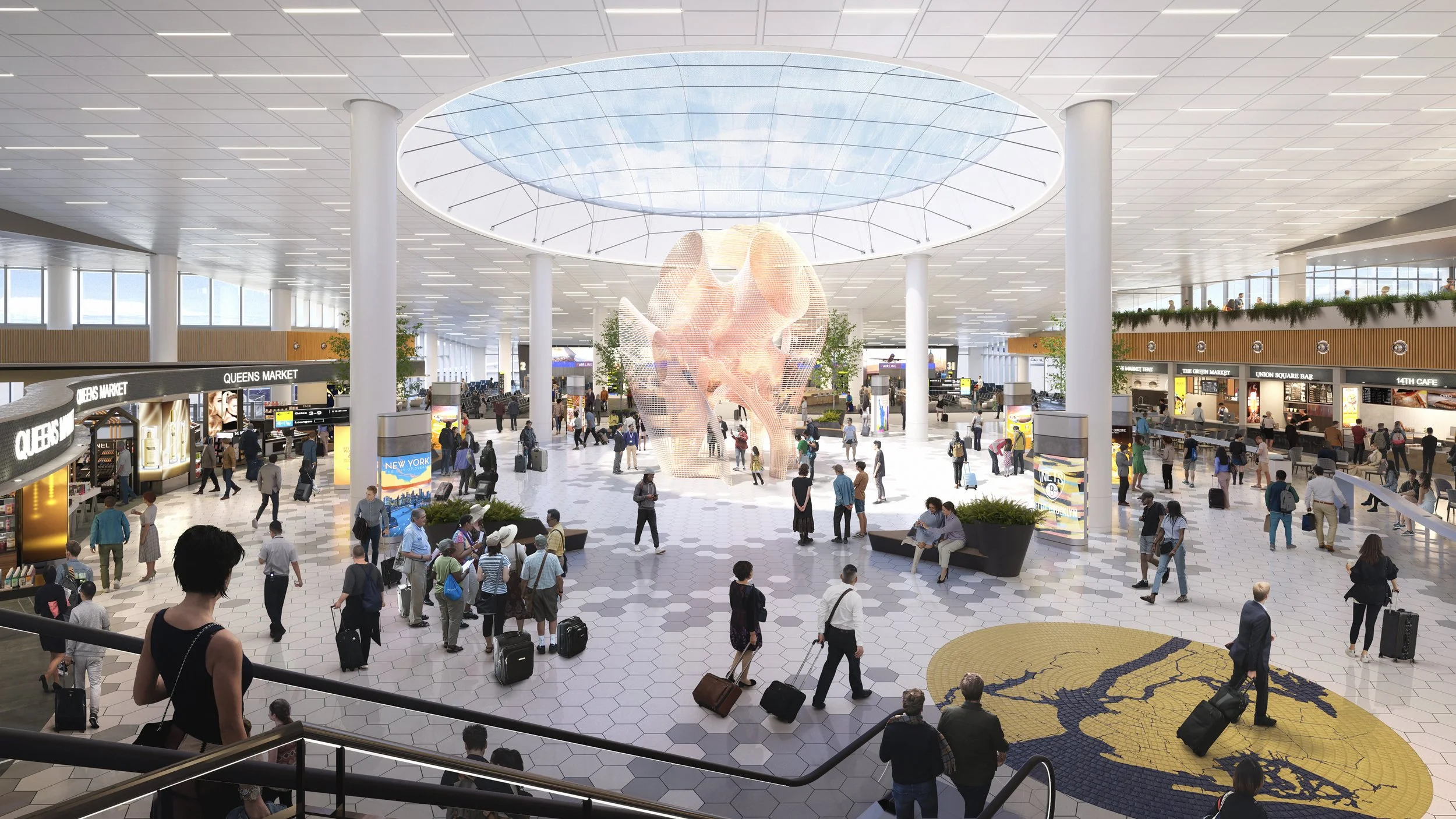
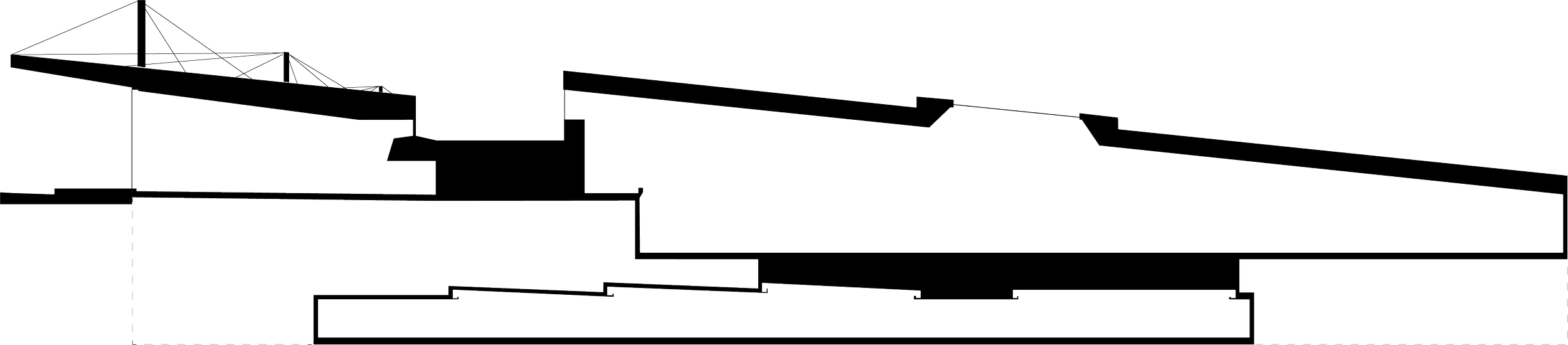
Inside, the terminal is organized as a legible field of movement. A single, continuous roof plane—sloped and tensioned—extends across the space, its structure expressed through a system of cables that evoke both the mechanics of flight and the energy of suspension. Skylights puncture this surface in calibrated intervals, drawing natural light deep into the interior and reinforcing directional flow. The result is a luminous environment where passengers are guided not by instruction, but by instinct.